

A Concerned Note on the Direction of EV Fire Safety



Fire safety is not a matter of opinion. It is a matter of lives, health, infrastructure, and the environment.
Over the past year, we at Bridgehill have become increasingly concerned about how a narrative around electric vehicle fires has taken hold within parts of the fire safety community. In some cases, this narrative is not grounded in the full body of established empirical research.
We have already seen the consequences of this shift in the United States, and similar tendencies are now beginning to emerge in Europe.
What Is Missing From the Discussion
What is particularly concerning is that environmental impact and firefighter exposure are largely absent from the discussion.
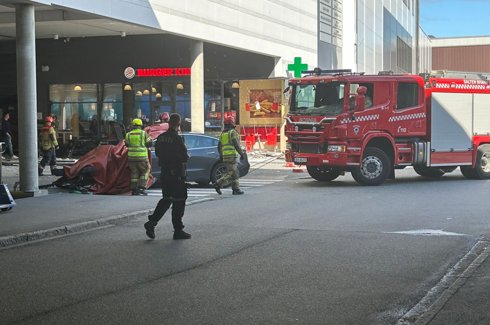
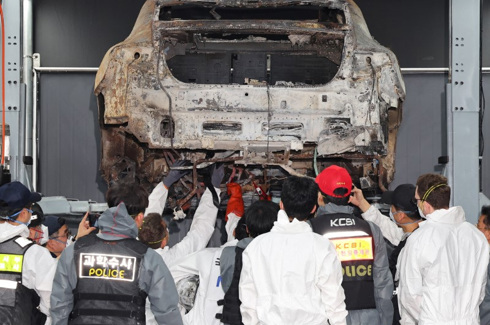
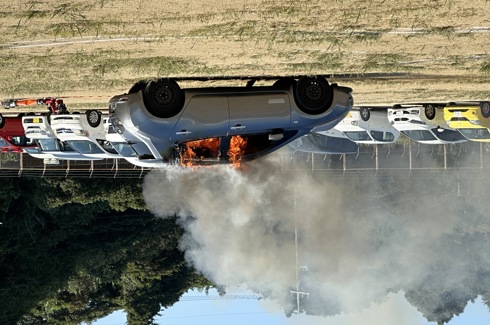
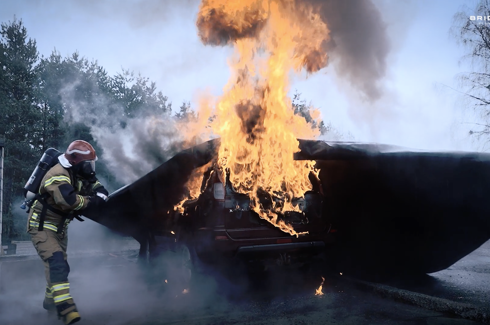
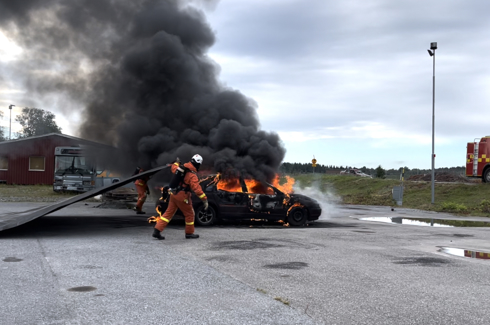
Electric vehicle fires are not only a thermal challenge. They are a toxic event. Uncontained EV fires release hydrogen fluoride, metal aerosols, soot, and contaminated runoff within seconds. These substances spread rapidly through air, steam, wind, and water, exposing firefighters and contaminating areas far beyond the fire scene itself.
Proven Experience From Real-World Incidents
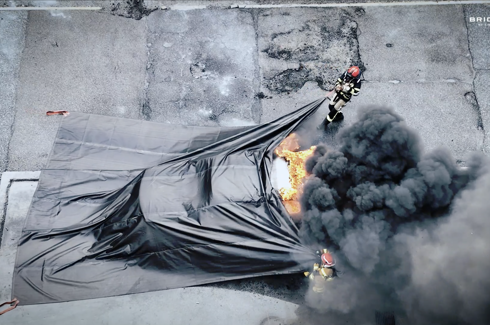
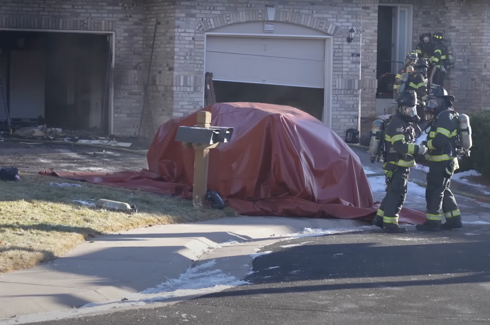
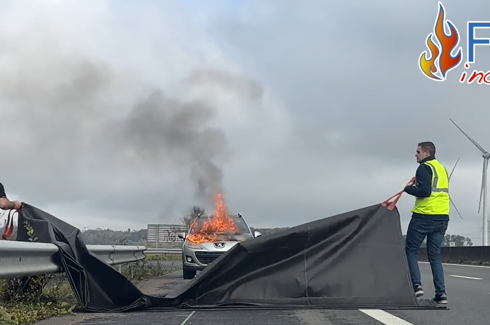
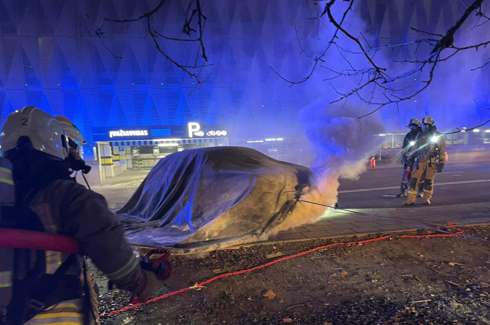
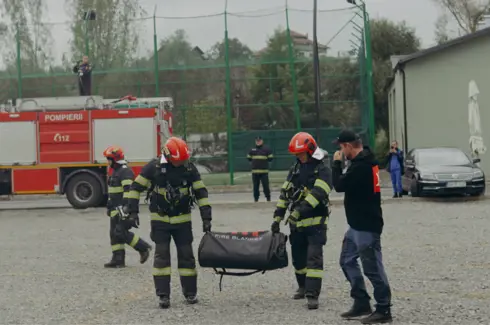
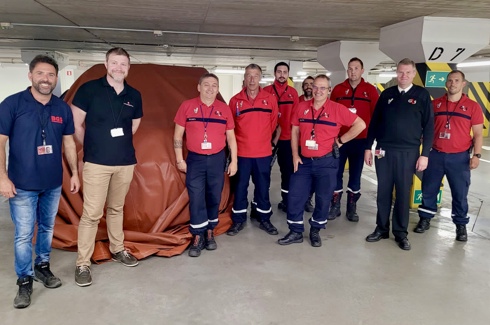
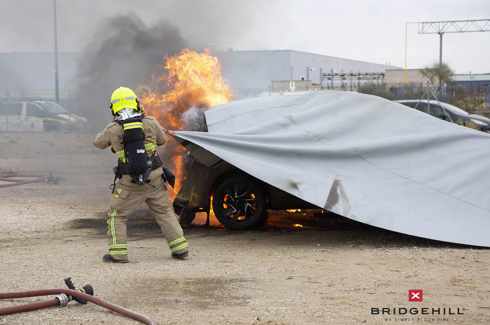
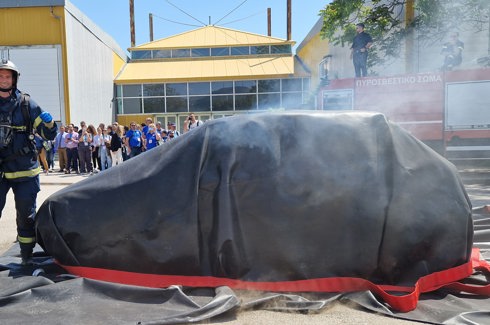
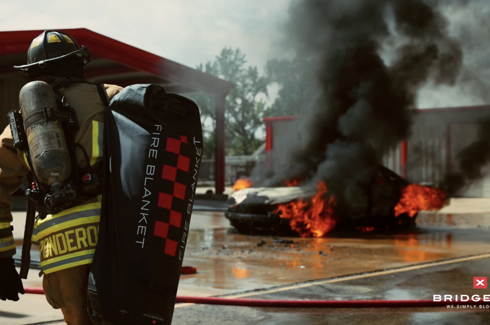
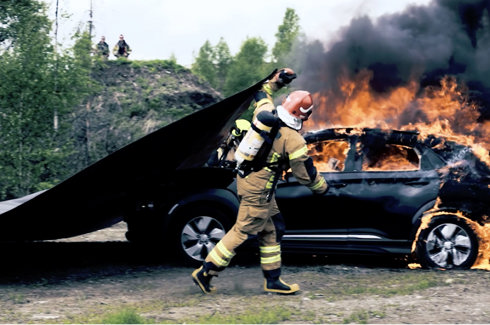
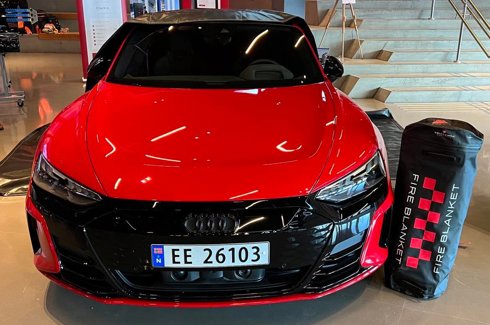
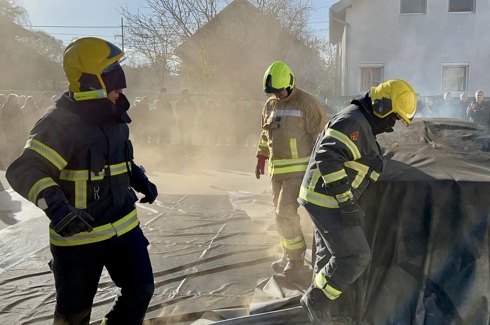
For more than 11 years, Bridgehill fire blankets have been used in many hundreds of real-world EV fire incidents, across more than 50 countries. When procedures are followed, there has never been a single reported negative incident.
Why? Because early physical isolation works.
Why Early Isolation Matters
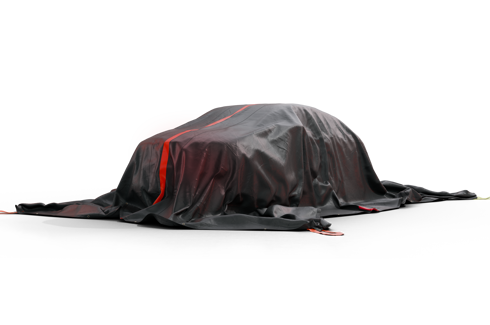
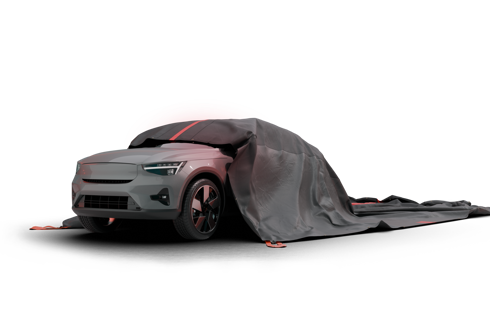
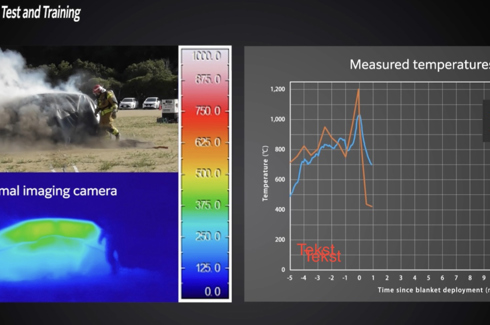
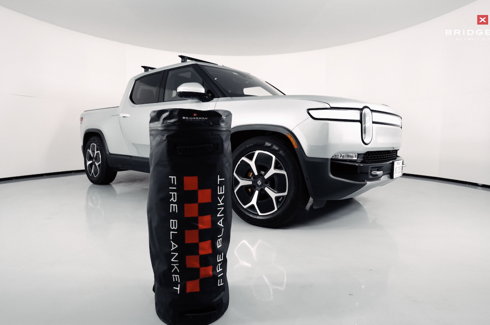
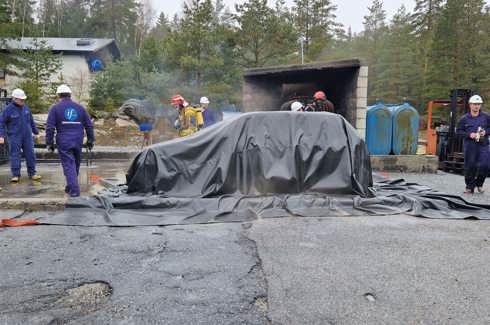
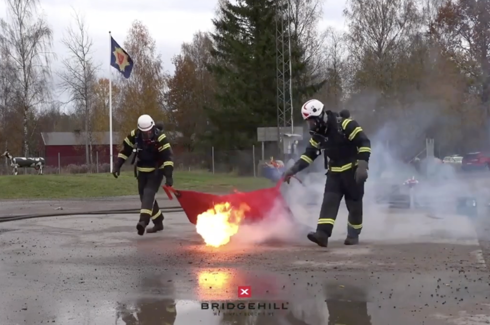
A fire blanket is the fastest and most effective way to isolate an EV fire. It limits oxygen access, reduces thermal radiation, contains toxic gases at the source, and significantly reduces environmental contamination and firefighter exposure.
Firefighting has never been dogmatic. We have long understood that water is not universally appropriate—not on energized electrical systems, not on grease fires, and not on burning or molten metals.
Existing guidance, including from NFPA itself, also recognizes that under extreme heat, lithium-ion batteries can form reactive lithium metal, a condition where water is known to increase risk.
Concerns About Recent Testing and Interpretation
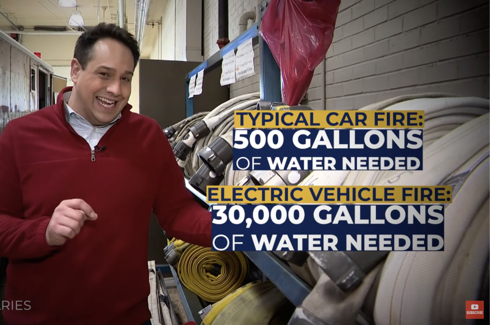
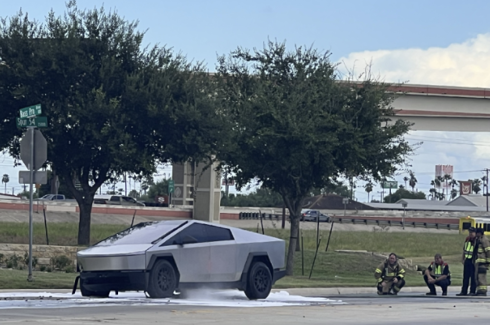
Recently, a high-profile U.S. test conducted under atypical conditions became the foundation for a broader narrative. Reintroducing oxygen and applying large volumes of water to overheated battery systems is a combination any experienced firefighter knows increases the risk of hydrogen generation and deflagration.
This is not speculation. It is supported by existing empirical research.
Access to the Technical Summary
We have compiled a summary outlining the key findings.
The full report, including references, can be accessed here:
A Technical HSE Assessment Of Water Risks And Enclosed Containment Solutions For EV Fire Suppression
A Call for Evidence-Based Fire Safety
This is not about defending a product.
It is about defending evidence-based fire safety—for firefighters, for communities, and for the environment.
Frank Brubakken
Founder and CEO, Bridgehill